

Parity in the Eldership and the Need for Balance (part 5 of 5)
In this last post I want simply to collect a number of practical thoughts which flow out of a biblical view of the plurality, parity, and diversity of the eldership.
1.) See in the diversity, parity, and plurality of the eldership the glory of the one, supreme, and almighty Shepherd of the church! I argue here in the same way that the Epistle to the Hebrews argues. Cf. Hebrews 7:19-28. Just as the limited duration and plurality of levitical priests pointed forward to the one, everlasting priest after the order of Melchizedek, so also the plurality of human pastors, the parity of human elders, and the diversity of human elders points up to the glory of the Chief Shepherd of the church. He alone can make us perfect in every good work to do His will working in us that which is well-pleasing in God’s sight.
2.) Look not to any human pastor for everything you need. Do not limit yourself to one pastor’s gifts or teaching. Do not virtually say I am of Apollos! or I am of Peter! or I am of Paul! Such a posture is both limiting to your growth and potentially divisive. Do not look finally to any limited, human pastor, but to the unlimited Christ and His unlimited grace.
3.) Observe the constant need for humility and the perpetual danger of pride in connection with the vocation to which pastors are called. Thankfully, I have not spent a lot of time in the typical pastors’ fraternals, but I have heard enough about such fraternals to know that they are often characterized by boasting and one-up-manship on the part of those named as Christ’s under-shepherds. I will also confess to you that I often feel the green monster of envy rising in my own heart and need to thrust the sword of the Spirit through that monster. But equally debilitating to the minister is another monster. The twin of the green monster of envy is the black monster of discouragement about my lack of usefulness which rises in my heart. That monster sucks the zeal and desire to labor earnestly for Christ out of my soul. It says to the pastors’ soul, “It will not do any good to preach. They will not listen. You will do no good. You have never done any good.” I think this black monster is also born of pride like the green monster. What will slay both these monsters is deep humility before Christ, the seeking of grace from Christ, and the determination to simply do what Christ has called us to do to the best of our ability.
4.) Be careful not to impose on the eldership your limited, human ideas and structures. The study of the church and the various views of the eldership that have developed in it is cluttered with views of the eldership which are simply too limiting. What views am I talking about? There is the notion that you can have only one pastor in a church. There is the notion that you can have only one bishop in a church. There is the notion that you must have a senior pastor who hires and fires the other so-called pastors. There is the notion that you can have only one supported pastor. There is the notion that you can impose on the eldership the cookie-cutter view which says that there are only two kinds of elders: teaching elders and ruling elders. There are other sorts of defective views as well. Some who get a hold of the biblical vision for the parity and equality of elders go to extremes as well. Since all elders are equal, then all must have equal profile in the church. They must all preach or teach or lead equally. They must be supported equally. Others who hold the parity of the eldership actually conclude that no elders at all should be financially supported. Perhaps this was the extreme which Paul was combatting in 1 Timothy 5:17. Others conclude that only missionaries or traveling evangelists should be supported, but not ordinary elders. All of these views are based on a one-sided and imbalanced view of the eldership which takes one part of the biblical teaching to an extreme and ends up denying other aspects of the biblical teaching. We must hold together the plurality, the parity, and the diversity of the eldership!
5.) Make sure your church is a good steward of the gifts of its elders. One of the saddest things about the limiting views which I just listed in the previous observation is that often it means that some elders’ gifts are not fully utilized in the church. Or it means that some men who should be elders are not even recognized by the church. Or it means that to exercise their God-given gifts men are forced to leave their church to find a place of ministry. If only there had been in the church a biblical vision for the eldership, if only there had not been the humanly limited views of the eldership that prevail in so many places, the church might have been blessed and God’s kingdom advanced. But no! The limited views of the eldership dictated by human wisdom had to be honored; and God’s blessing on the church through gifted men was lost.
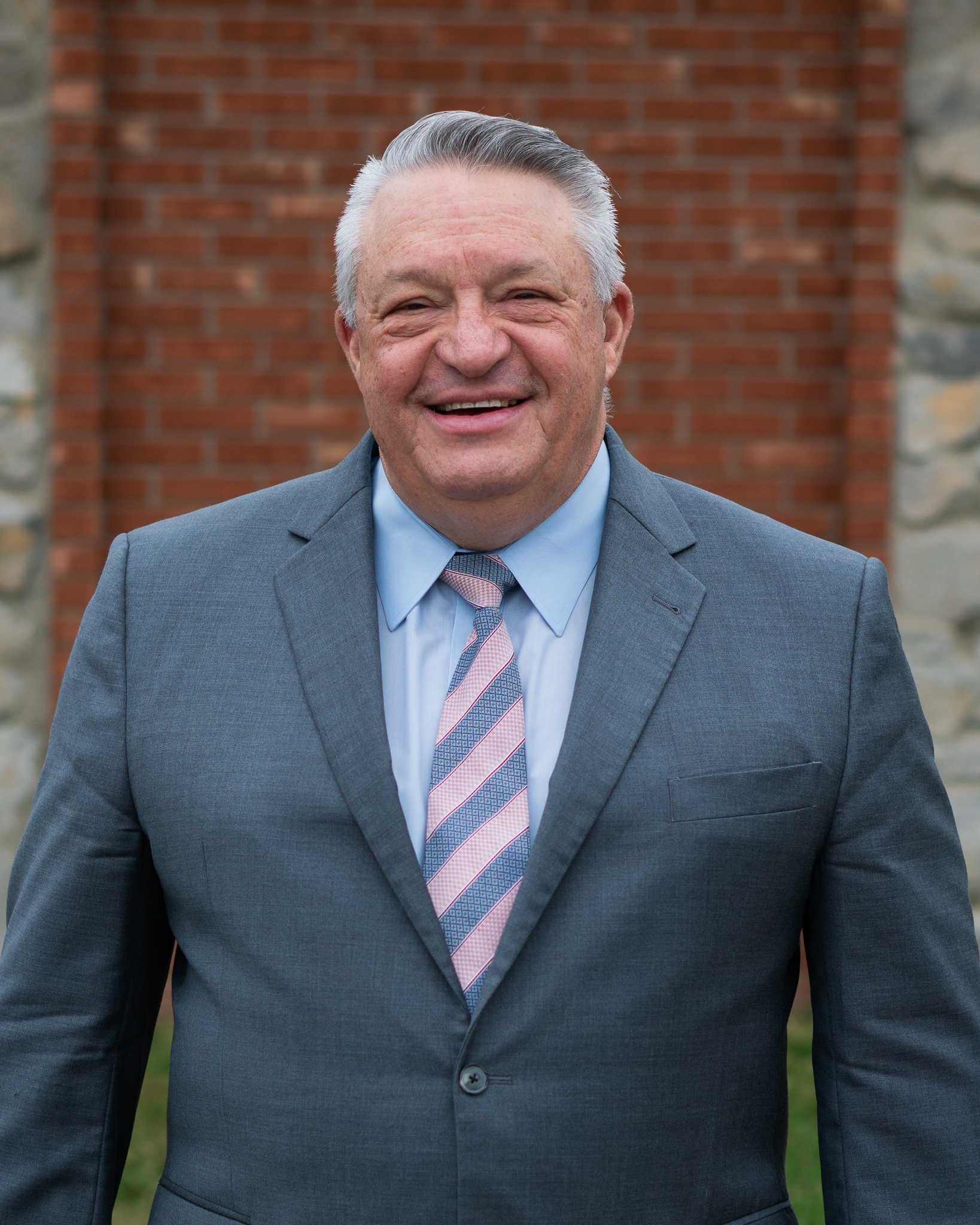
Dr. Sam Waldron is the Academic Dean of CBTS and professor of Systematic Theology. He is also one of the pastors of Grace Reformed Baptist Church in Owensboro, KY. Dr. Waldron received a B.A. from Cornerstone University, an M.Div. from Trinity Ministerial Academy, a Th.M. from Grand Rapids Theological Seminary, and a Ph.D. from Southern Baptist Theological Seminary. From 1977 to 2001 he was a pastor of the Reformed Baptist Church of Grand Rapids, MI. Dr. Waldron is the author of numerous books including A Modern Exposition of the 1689 Baptist Confession of Faith, The End Times Made Simple, Baptist Roots in America, To Be Continued?, and MacArthur’s Millennial Manifesto: A Friendly Response.
