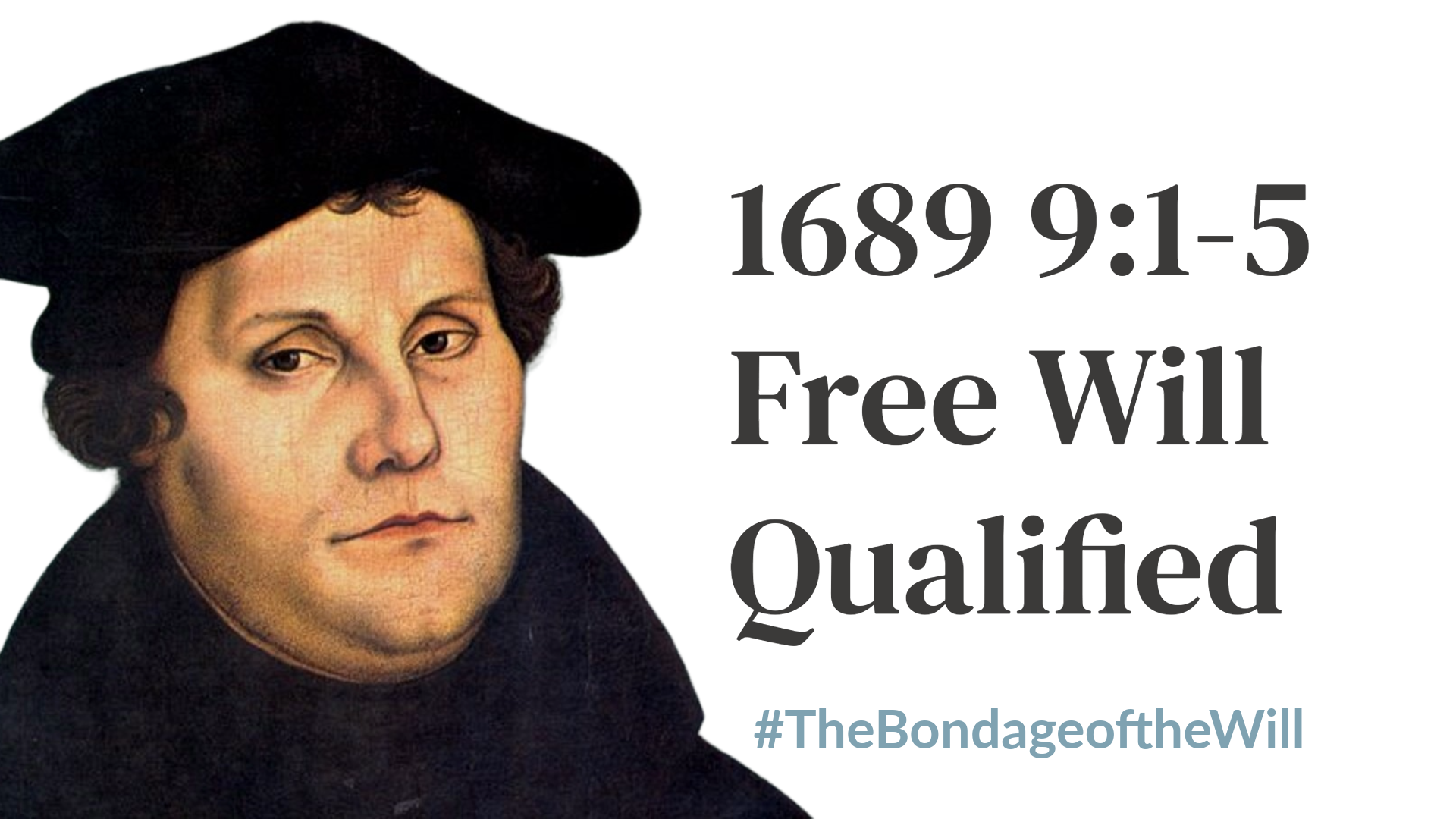
The Confession carefully limits and qualifies free will. And it does this in several ways:
First, free will is not utter unpredictability, but was under the control of God’s sovereign will even in the state of innocence.
5:4 The almighty power, unsearchable wisdom, and infinite goodness of God, so far manifest themselves in his providence, that his determinate counsel extendeth itself even to the first fall …
6:1 … in eating the forbidden fruit, which God was pleased, according to his wise and holy counsel to permit, having purposed to order it to his own glory.
We learn, then, this important truth. Divine freedom (God’s decretive will) and human freedom are not in conflict.
The second way in which the Confession limits free will is this: Our wills are controlled by our ethical disposition and moral nature.
Par 3 affirms that the free wills of unconverted men are unable to will to do “any spiritual good.” Matt 12:33-35 confirms this:
“Either make the tree good and its fruit good, or make the tree bad and its fruit bad; for the tree is known by its fruit. You brood of vipers, how can you, being evil, speak what is good? For the mouth speaks out of that which fills the heart. “The good man brings out of his good treasure what is good; and the evil man brings out of his evil treasure what is evil.”
Par 5 affirms that the free wills of glorified men are immutably fixed on good.
Cf. Eph 4:13 until we all attain to the unity of the faith, and of the knowledge of the Son of God, to a mature man, to the measure of the stature which belongs to the fullness of Christ.
Cf. Heb. 12:23 … the spirits of the righteous made perfect,
A third limitation is this: Being tied to human nature, it exists in different states.
The Confession illustrates this, moving from the instability of innocence to the immutability of the state of glory. Finite, ethical beings undergo a moral and ethical development. Christ as a man underwent maturation from immature ethical righteousness to matured holiness (Luke 2:40, 52; Heb. 2:10, 18; 5:8, 9). We also experience ethical maturation being either progressively hardened or progressively sanctified. This is a sobering thought. We are becoming what we shall eternally be.
Here is a “Concluding Summary” of what we have learned: Free will is not a faculty for making random decisions. Such a view actually destroys any meaningful free will. Today compatibilist and libertarian views of free will are distinguished. The Confession endorses what is called compatibilism. It teaches free will, but a compatibilist view of free will. That is, it teaches that free will is compatible both with divine sovereignty and total inability. We will take up total inability next time.
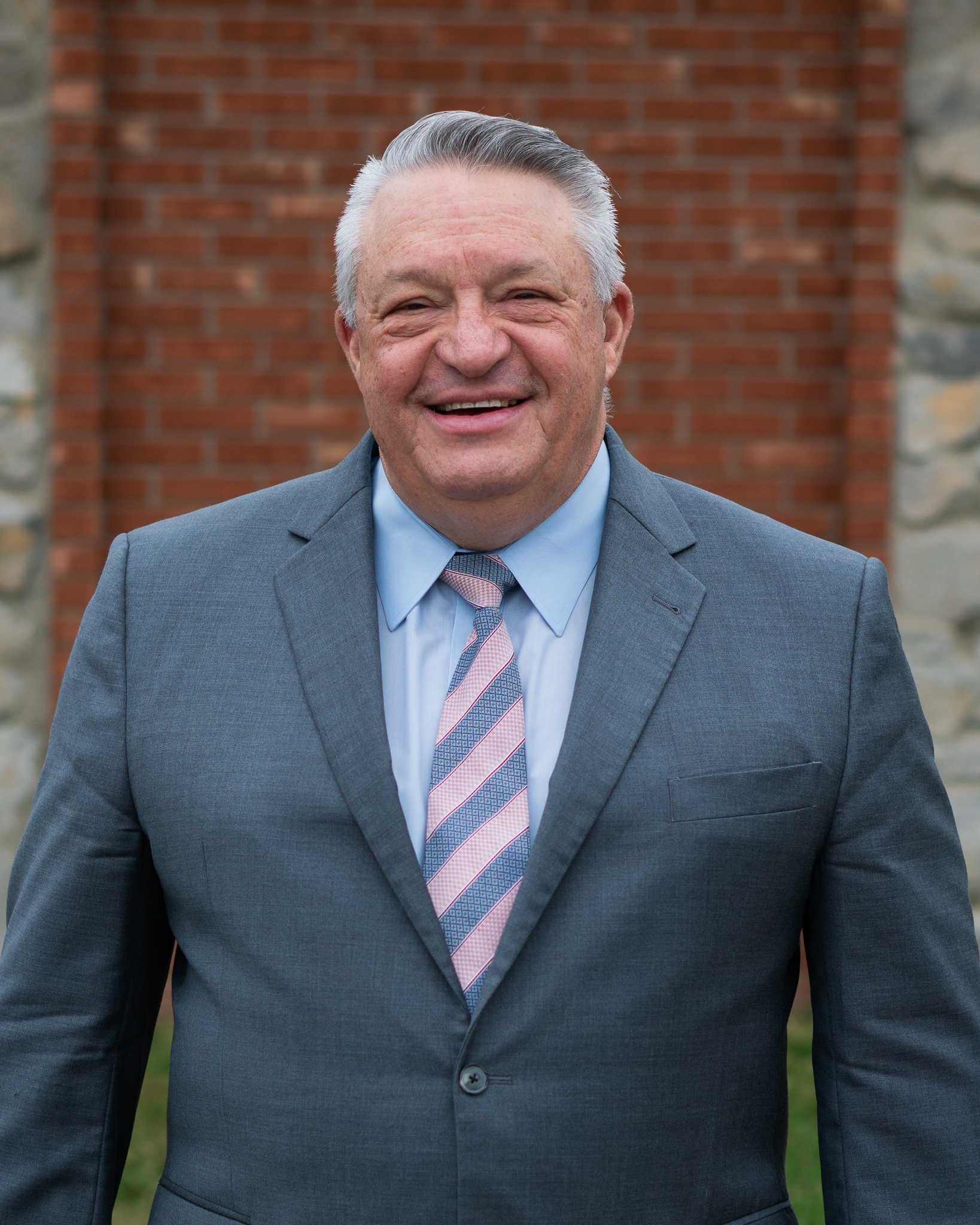
Dr. Sam Waldron is the Academic Dean of CBTS and professor of Systematic Theology. He is also one of the pastors of Grace Reformed Baptist Church in Owensboro, KY. Dr. Waldron received a B.A. from Cornerstone University, an M.Div. from Trinity Ministerial Academy, a Th.M. from Grand Rapids Theological Seminary, and a Ph.D. from Southern Baptist Theological Seminary. From 1977 to 2001 he was a pastor of the Reformed Baptist Church of Grand Rapids, MI. Dr. Waldron is the author of numerous books including A Modern Exposition of the 1689 Baptist Confession of Faith, The End Times Made Simple, Baptist Roots in America, To Be Continued?, and MacArthur’s Millennial Manifesto: A Friendly Response.