
Chapter 9 of the Confession teaches the important biblical doctrine of the total inability of fallen man to do anything spiritually good. Still, this teaching has been widely denied. In this blog, I want to address those objections.
1st Denial: It is inconsistent with the commands of the Bible.
The premise underlying this objection is that if God commands men to repent, believe, or come to Christ, they must be able to. In other words, responsibility assumes ability. Several conclusive responses may be given to this denial of total inability.
1) This premise is contradicted by the clear teaching of Scripture.
God commands men to believe, but the Bible teaches that they cannot (Acts 16:31 with John 6:37, 40, 44, 65).
God commands men to repent, but the Bible teaches that they cannot (Acts 2:38 with 2 Tim. 2:25, 26).
God commands men to make a new heart, but the Bible teaches that they cannot (Ezek. 18:31 with Ezek. 11:19).
2) This premise, if correct, would imply complete human ability to give perfect, perpetual obedience to the law of God.
God commands us to be perfect perpetually.
On this premise we must, then, have this moral ability.
3) This premise confuses natural or physical ability and moral or spiritual ability.
The Confession distinguishes natural liberty (par. 1) from moral freedom (par 3 and 4). Man is not lacking a will, or mind, or a heart or the emotions of love, trust, or sorrow. It would be wrong to command a child to jump over a wall 50 feet high, but total inability is a moral issue. It is like asking someone who hates you for a favor. The example of the drunken driver is pertinent. He is responsible to stay on his sider of the road, but he lacks the ability.
4) Its premise misunderstands the implications of the commands and conditions of the Bible.
The commands of the law cannot be changed. The conditions of salvation must be kept. These necessities, however, do not assume our moral ability, but God’s saving grace
2nd Denial: It is inconsistent with the realities of human life.
Total inability appears to be an unrealistically harsh view of fallen humanity. Aren’t some unconverted men better than others? Don’t they do righteous things?
Yes, but we must distinguish between civil and spiritual righteousness, between common and saving grace. In the sense of civil righteousness good is attributed to unsaved men (2 Kings 10:29, 30; 2 Kings 12:2; Rom. 2:14). A distinction is necessary because the Scriptures also teach that the unregenerate cannot and do not please God (Rom. 3:10-12; 8:7, 8; Heb. 11:6; 2 Thess. 3:2).
Total inability does not mean that men are as bad as they can be, but that they are as bad off as they can be. Distinguish between absolute and total depravity!
3rd Denial: It is inconsistent with the practical needs of the sinner and produces despair.
Some have abused the doctrine, but properly understood, this doctrine does not tend to despair.
Hopelessness and despair presuppose some willingness to be saved.
But this doctrine is not that men are willing, but unable.
Total inability means that no one is willing until God works.
Despair of human resources is the necessary preparation for the gospel.
Human sufficiency is the true hindrance.
The man in the burning house with locked doors is the man who will cry for help.
4the Denial: It is inconsistent with the sincerity of God.
How can God sincerely offer mercy to men when He knows that unless he draws them they will never come? How can He do this even if He merely foreknows they will not come?
There is a real difficulty. The Bible clearly teaches that God offers mercy to wicked men, but the Bible teaches that men cannot come. This problem is caused by the Bible—not a system of theology.
This problem reduces to the fundamental tension between the decretive and preceptive will of God. The presence of such a mystery does not disprove either side of the tension, but calls for humble submission.
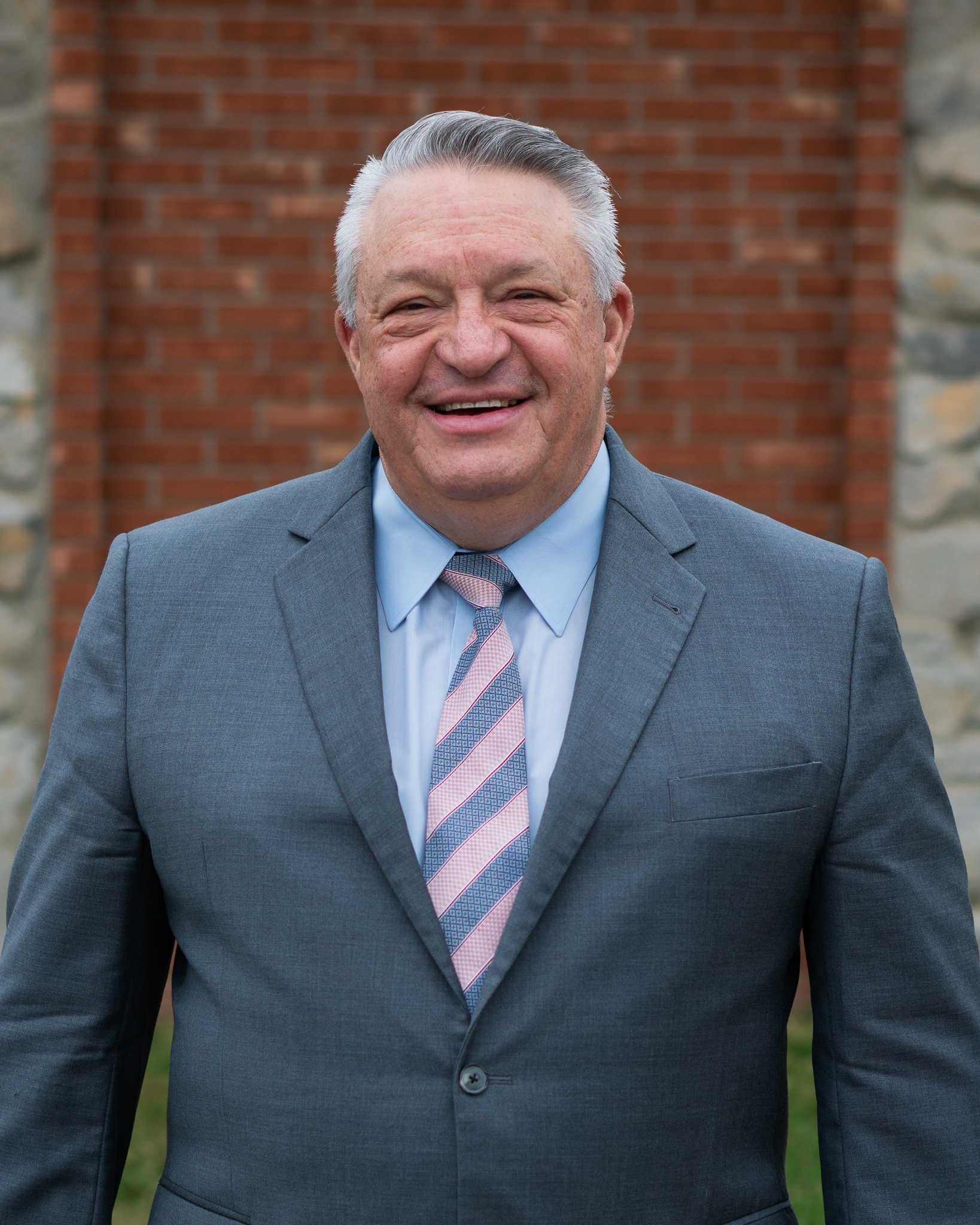
Dr. Sam Waldron is the Academic Dean of CBTS and professor of Systematic Theology. He is also one of the pastors of Grace Reformed Baptist Church in Owensboro, KY. Dr. Waldron received a B.A. from Cornerstone University, an M.Div. from Trinity Ministerial Academy, a Th.M. from Grand Rapids Theological Seminary, and a Ph.D. from Southern Baptist Theological Seminary. From 1977 to 2001 he was a pastor of the Reformed Baptist Church of Grand Rapids, MI. Dr. Waldron is the author of numerous books including A Modern Exposition of the 1689 Baptist Confession of Faith, The End Times Made Simple, Baptist Roots in America, To Be Continued?, and MacArthur’s Millennial Manifesto: A Friendly Response.