The chapter entitled, Of Effectual Calling, is the first of four chapters dealing with the blessing God bestows in the Covenant of Grace. It precedes chapters on justification, adoption, and sanctification. It precedes those chapters in the Confession because it is logically prior and foundational to the blessings they discuss.
I suppose that someone studying the Confession might be surprised that it contains no chapter on regeneration. That subject is, however, dealt with under the heading of effectual calling. I think there is wisdom in this because discussions of regeneration sometimes become abstracted from the gospel. Effectual calling keeps the discussion of God’s mighty saving work in regeneration from becoming detached from the gospel.
Let me explain. Effectual calling is related to the work of Christ. 1 Cor 1:9 makes this clear. It reads: “God is faithful, through whom you were called into fellowship with His Son, Jesus Christ.” It underscores the gospel-centered and Christ-centered nature of the doctrine. Effectual calling is related to our personal salvation in this way:
Salvation is found only in Christ. By nature we are not in but far away from Christ. Yet we are united to Christ by the effectual call.
Now let’s read the first two paragraphs of Chapter 10. Here is paragraph 1:
“Those whom God hath predestinated unto life, he is pleased in his appointed, and accepted time, effectually to call, by his Word and Spirit, out of that state of sin and death in which they are by nature, to grace and salvation by Jesus Christ; enlightening their minds spiritually and savingly to understand the things of God; taking away their heart of stone, and giving unto them a heart of flesh; renewing their wills, and by his almighty power determining them to that which is good, and effectually drawing them to Jesus Christ; yet so as they come most freely, being made willing by his grace.”
Now listen to paragraph 2 which emphasizes the sovereignty of the grace of effectual calling already mentioned said in paragraph 1:
“This effectual call is of God’s free and special grace alone, not from anything at all foreseen in man, nor from any power or agency in the creature, being wholly passive therein, being dead in sins and trespasses, until being quickened and renewed by the Holy Spirit; he is thereby enabled to answer this call, and to embrace the grace offered and conveyed in it, and that by no less power than that which raised up Christ from the dead.”
There are five things that need to be emphasized about effectual calling. We will eventually talk about …
- Its Factuality
- Its Individuality
- Its Priority
- Its Efficacy
- Its Instrumentality
There is a call different from the general, gospel call. The gospel call is real. It comes to all who hear the gospel. The gospel of Christ freely offers all who hear it salvation. But that is not what we mean by effectual calling. Effectual calling is different. It does not come to all offering salvation. It comes to some assuring their salvation. Such a call is directly implied by one of the most famous, biblical passages among the general, gospel call. Matt. 22:14 teaches: “For many are called, but few are chosen.” 1 Cor. 1:23-24 speaks specifically of the effectual call: “but we preach Christ crucified, to Jews a stumbling block and to Gentiles foolishness, but to those who are the called, both Jews and Greeks, Christ the power of God and the wisdom of God.” Many hear the gospel of Christ crucified who do not respond to it as the wisdom and power of God. “The called,” however, do respond by believing in Christ and seeing in Him the wisdom and power of God for their salvation.
Consider also biblical statement like these:
Rom. 1:6 among whom you also are the called of Jesus Christ
Rom. 8:28 And we know that God causes all things to work together for good … to those who are (the) called according to His purpose.
Jude 1:1 Jude … To those who are the called, beloved in God the Father, and kept for Jesus Christ:
The called are only those saved by the gospel. The fact is that there is an effectual distinct from the general, gospel call.
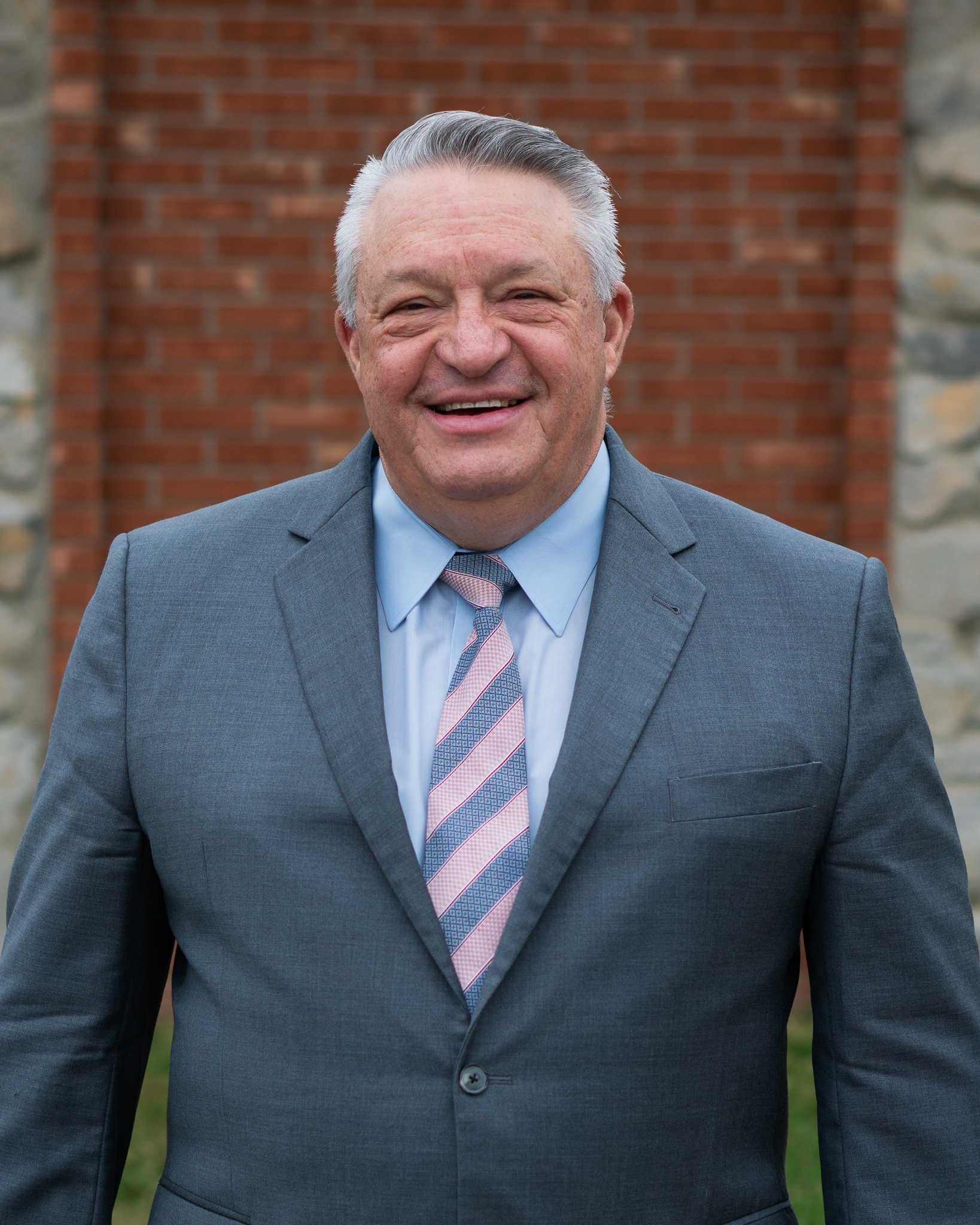
Dr. Sam Waldron is the Academic Dean of CBTS and professor of Systematic Theology. He is also one of the pastors of Grace Reformed Baptist Church in Owensboro, KY. Dr. Waldron received a B.A. from Cornerstone University, an M.Div. from Trinity Ministerial Academy, a Th.M. from Grand Rapids Theological Seminary, and a Ph.D. from Southern Baptist Theological Seminary. From 1977 to 2001 he was a pastor of the Reformed Baptist Church of Grand Rapids, MI. Dr. Waldron is the author of numerous books including A Modern Exposition of the 1689 Baptist Confession of Faith, The End Times Made Simple, Baptist Roots in America, To Be Continued?, and MacArthur’s Millennial Manifesto: A Friendly Response.