Human strength and human schemes will fail in the expansion of God’s kingdom. It must be God’s work.
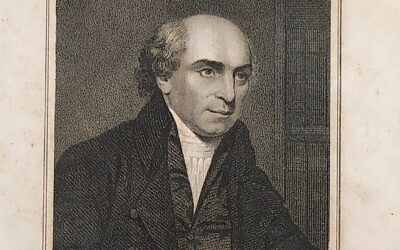

Human strength and human schemes will fail in the expansion of God’s kingdom. It must be God’s work.
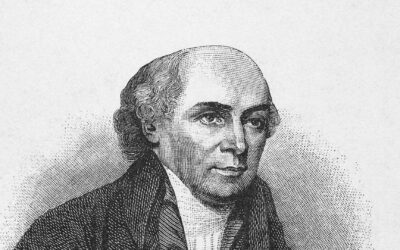
To rightly examine the life, ministry, and impact of William Carey is to consider a group of friends plodding together for the Lord.
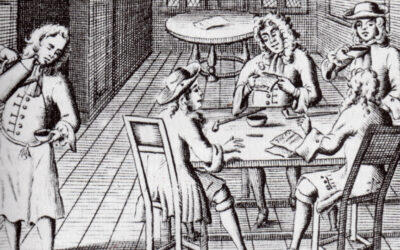
The frequenting of cafes and coffee shops by many modern-day students to study, converse, and plug into the internet is actually tapping into a much older phenomenon that goes back to the late seventeenth-century and early eighteenth-century coffeehouses of England.
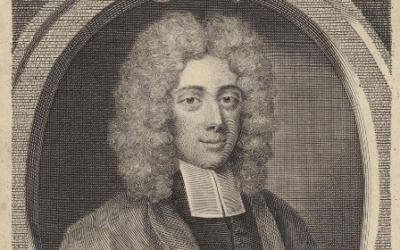
Anne Dutton (1692–1765), a prolific Baptist author who corresponded with many of the leading Evangelical figures of the eighteenth century—including George Whitefield (1714–1770) and John Wesley (1703–1791)— was certain that in the Lord’s Supper “the King is pleas’d to sit with us, at his Table.”
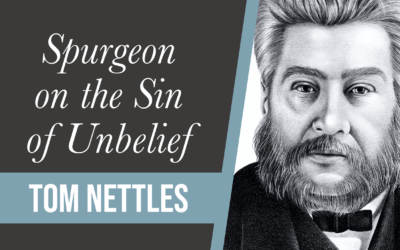
Unbelief has many shades of dark and darker hues; it appears in the regenerate under a variety of circumstances, but increasingly engulfs the unregenerate.
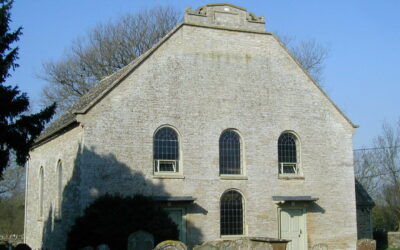
Baptists have been profoundly shaped by a loving interaction with and heartfelt submission to the Bible. In their doctrine, their life together, and their spirituality they have been a people of the Book.

One of the most popular arguments against the doctrine of the Sabbath is the purposed silence of the Early Church fathers on the issue. While it is true that the early writers did not use the language of “Christian Sabbath,” they did have an almost uniform Lord’s Day observance.
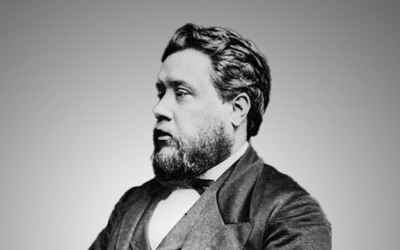
Charles Spurgeon’ preaching consistently and profoundly gave exposition to central features of God’s saving work. This brief article will probe Spurgeon’s focus on substitutionary atonement as the connecting link between the other aspects of imputation.
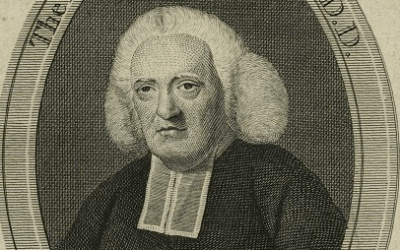
“…in his day, especially among members of his community, the Particular Baptists of the eighteenth century, John Gill may rightly be reckoned, in the words of Lloyd-Jones, ‘a very great man, and an exceptionally able man.'”