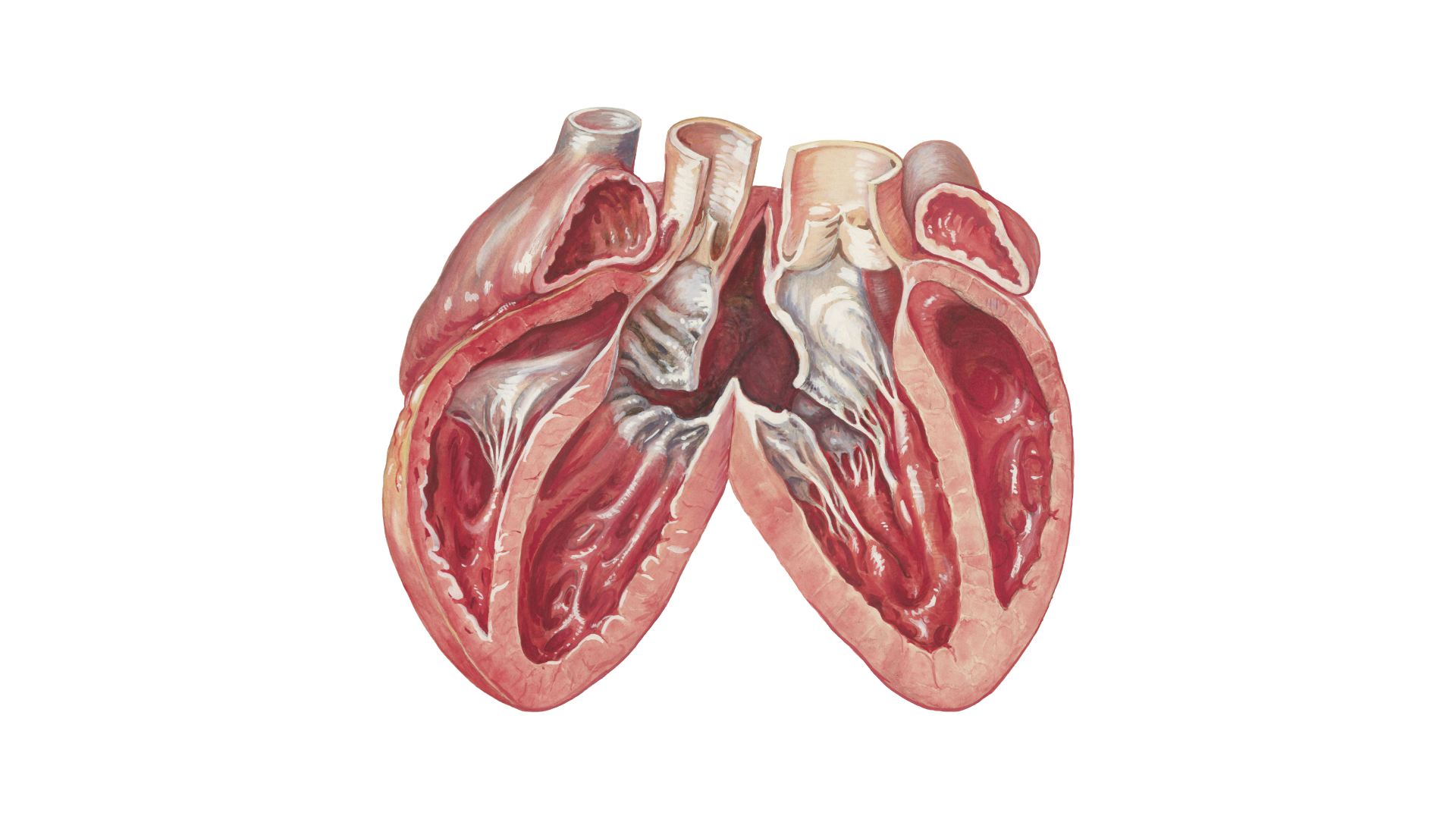
Scripture teaches that regeneration is monergistic in nature, correspondent to circumcision of the heart. As repentance and faith are inseparable graces,[1] so too these twin works of God’s Spirit[2] are similarly virtually synchronous, inseparable operations. That Israel is commanded to circumcise their hearts in the OT (Jeremiah 4:4) supplies no statement of their ability, but of its necessity; and Ephesians 2:11-22 makes this plain in four basic movements.
- The contrasts of physical and spiritual circumcision (vv. 11-12a).
Ephesians 2 insists upon a significant and critical contrast between physical and spiritual circumcision. The one is “made in the flesh by hands” (v. 11), the other revealed by analogy but performed by the Spirit. In man’s esteem, Paul notes, the uncircumcised Gentiles were derided as ἀκροβυστία, “the foreskin” or “the uncircumcision,” by physically-circumcised Jews—despised as though they could not be objects of divine mercy (and that, quite contra Genesis 12:3c). Ιn God’s evaluation, all of Paul’s Gentile hearers were “at [one] time separated from Christ” (v. 12).
The Bible, in other words, calls us to correlate Gentile alienation from Israel with a lost man’s spiritual alienation from God; the physical relationship’s causa relationis tensae depicts and reflects the greater and more consequential spiritual state of an uncircumcised heart before God. These Ephesian Gentiles were called (vv. 11a) to “remember” their spiritual and covenantal standing prior to knowing Christ. As his argument progresses, Paul demonstrates that Jews and Gentiles alike experience the same spiritually dead, uncircumcised hearts, apart from grace.
- The markers of spiritual circumcision (v. 12).
But now in Jesus Christ, they had been given new circumcised hearts, and Paul reminds them of their previously desperate state. Gentile uncircumcision bore witness, a fleshly parable revealing a spiritual reality. They were estranged and “separated from Christ” in their sins. They were “alienated from the commonwealth of Israel”—not merely external foreigners to the ethnic nation, but fundamentally outcasts (απηλλοτριωμενοι) from the true “Israel of God” (Galatians 6:16) in the uncircumcision of their hearts.
This reality is captured in the poignant assertion that they were “strangers to the covenants of [the] promise” (των διαθηκων της επαγγελιας); thus they were hopeless and Godless in this world (and in the next as well, by implication). The emphasis on their remembrance of who they were in their sin, how they were perceived, what spiritual condition they were in, and how they lived in its grip underscores their new hope, with hearts made new in Christ.
- The miracle of spiritual circumcision (vv. 13-18).
Jesus is the miracle of spiritual circumcision. Through his “blood” (v. 13)—that is, through his being “cut off” for his people (Isaiah 53:17)—believers are “brought near” to God. This theological synecdoche extends: this new reality is effected through their being found “in” him, brought near by the efficacy of his sufferings and death in their stead. He has died and been raised for his people, and through faith in him, they have died (Galatians 2:20) and been raised with him (Colossians 2:12). In other words, his being “cut off” purchases his Spirit’s gracious circumcision of their hearts.
What has taken place in Christ? The distance from God marking our uncircumcised hearts has been reversed (v. 13), breaking down the division of man from man, and of God from man, “in his flesh” (v. 14). The wicked never have peace (Isaiah 48:22), but Jesus fulfilled all righteousness in the stead of his sinful people, “so making peace” (v. 15)—such that “he himself is our peace” (v. 14). Christ works a reuniting and effectual peace, one bringing men to God and to one another (vv. 14-15); he achieves a recreating peace, of “one new man in place of the two” (v. 15); he secures a reconciling peace, through the Cross (v. 16); he gives a restoring and reversing peace, preached to Jew and Gentile alike (v. 17), whereby “we both have access in one Spirit to the Father” (v. 18). Only a circumcised heart can love God, look to the Saviour, and live by the Spirit; but uncircumcised hearts remain marked by a legal spirit (contra v. 15) and love only to self.
Note the unifying consequence and common effects of this spiritual circumcision to all of Christ’s church: we are brought near (v. 13), become possessors and partakers of his peace (v. 14a), are made members united to one another (vv. 14b, 15b), are changed into worshipers approaching this Lamb together (v. 14c), mutually enjoy freedom from the law’s condemnation (v. 15a), are formed into one new man (v. 15b), and are both re-formed by God into the one Body of Jesus (v. 16). This circumcision “not made with hands” (Colossians 2:11) brings peace through Jesus, the bloody Sign of our peace with God (v. 17). It secures both standing and sonship, affording us a common “access” to God (v. 18).
- The consequence and comforts of spiritual circumcision (vv. 19-22).
In one of the most striking reversals found in Scripture, Paul moves from “remember”
(μνημονευετε, v. 11a)[3] to results: “So then” (αρα, v. 19). Every marker connoting distance is altogether uprooted! Separation from Christ is replaced by a comprehensive, redefining union with him. “The uncircumcision” (v. 11) is now made “a holy temple in the Lord” (v. 21). “Alienation from the commonwealth of Israel” and being “strangers to the covenants of [the] promise” (v. 12) is “no longer” the case; in fact, believers are now “fellow citizens with the saints and members of the household of God” (v. 19). The hopelessness of being “without God in the world” (v. 12) is overturned with the security and joy of being built on the foundation that “Christ Jesus himself” laid and holds together (v. 20).
Marvel at the mercies of God circumcising a heart: it anchors saints to Christ, the true Cornerstone (v. 20b). It provides cohesiveness to the identity, theology, and life of the whole Church of Jesus, as witnessed by the canon (v. 20a). It is the effect of having been cleansed by his blood, made into a “holy temple” with all of God’s elect (v. 21b; cf. 1 Peter 2:4-10). And it is the assurance, in a triumphant parallel declaration, that the Lord himself is constructing you, together with all the saints, “into a dwelling place for God by the Spirit” (v. 22b).
Conclusion
The promise of Deuteronomy 30:6 finds its fulfillment in the Spirit’s work of uniting us to Christ with new (Ezekiel 36:26), law-inscribed (Jeremiah 31:33), circumcised (Romans 2:28-29) hearts, indwelt by the Spirit of God (1 Corinthians 3:16; Ezekiel 36:27)—hearts which love and “follow the Lamb wherever he goes” (Revelation 14:4).
Believers enjoy a new nearness to God, possess a new peace with God, and walk as new men before God, by means of this new circumcision of the heart Jesus brings about—bringing us into the new citizenship of heaven, and birthing us into the family of God. Ephesians 2:11-22 demonstrates that the circumcised hearts of the NC are the fulfillment of the OC sign of physical circumcision.[4] Sinners needed a true circumcision—that of the heart, by the Spirit; and we have it in Christ Jesus, our Lord.
Stay in touch with CBTSeminary
For more information about CBTS, go to CBTSeminary.org
Consider giving to CBTSeminary to help us train the next generation of gospel ministers.
Apply to CBTS today to be sharpened for a lifetime of faithful ministry.
Follow CBTS on our socials: X | Instagram | Facebook | YouTube
Sign up for our newsletter and receive monthly updates related to the Seminary.
[1] See J. Newton Brown (1803-1868), The New Hampshire Confession of Faith (1833), VIII.
[2] Note, though: they are properly distinct from one another.
[3] The ESV supplies the second injunction to demonstrate the continuity of thought, but v. 12 in Greek simply continues from the initial “Remember” of v. 11: “that you were”—μνημονευετε does not occur twice. The verb shapes both verses. Outlined, it would look like this:
Remember:
- That you Gentiles were called the uncircumcision… (v. 11).
- That you were separated from Christ… (v. 12).
[4] Therefore the covenant of grace is comprised of those who have received and rested in its promises by grace alone, through faith alone, in Christ alone—and none other.

Reagan Marsh is husband to Kara, daddy to RG and AG, and founding pastor-teacher to Reformation Baptist Church of Dalton, GA. He contributed to The Jonathan Edwards Encyclopedia (Eerdmans), provided biographical introduction to J.P. Boyce’s A Brief Catechism of Bible Doctrine (Particular Baptist Heritage Books), coedited in The Works of John Flavel (The Banner of Truth), and writes regularly for The Founders Journal. Reagan authored What to Do After a Breakup: Responding to Pain and Loss Biblically and Authority and Application: An Introduction to Pastoral Biblical Counseling (both with The Greater Heritage), Analytical Outlines of the 1689 Second London Baptist Confession, and Analytical Outlines of Particular Baptist Confessions of Faith (available through Monergism.com), and contributed to Anchored in Truth: Reflections in Biblical Counseling (Soul Doctor Publications). He is coediting The Works of Hercules Collins (forthcoming, H&E), composing a biographical introduction for Hercules Collins’s An Orthodox Catechism (forthcoming, PBHB), and completing Guided Tours in the 1689 Second London Baptist Confession: An Introduction and Survey. A certified biblical counselor, Reagan took MATS and MDiv study at NOBTS and SBTS, and is a ThM candidate at CBTS under Tom Nettles (his thesis, Teaching, Tending, Training: The Pastoral Theology of Hercules Collins, 1646/1647–1702 is forthcoming, Wipf & Stock). He has served in gospel ministry since 1998.