What is a Reformed Baptist Church?
Churches use many different terms to identify themselves. They may call themselves Methodist or missional, Episcopal or evangelistic, Congregational or community, but each term used says something about their identity and convictions as a professing body of believers. And it’s the same way for us in Reformed Baptist circles—whatever our associations or networks may be.
We’re a Reformed (theologically) Baptist (in practice and ecclesiology) church (a constituted worshiping body) in this local community.
So: what exactly does it mean to be a Reformed Baptist church?
- We are a Christ-centered body. All of Scripture centers on the person and work of Jesus—who he is and what he’s done for his sinful people in his life, death, resurrection, and exaltation (Luke 24:25-27, 44-47; John 5:39, 46). Our preaching, singing, praying, communing, shepherding, giving, counseling, evangelizing, and sending is all to be centered on the glory and worthiness of “the one Mediator between God and man, the man Christ Jesus” (1 Timothy 2:5).
- We are a carefully-Biblical body. Our faith is as wide and deep as the Scriptures will lead us, but we take great pains not “go beyond what is written” (1 Corinthians 4:6). We want to worship, teach, believe, and live under the authority of the written Word of God as fully, openly, and demonstrably as possible.
- We are a confessional body. Confessions, creeds, and catechisms are simply faithful summaries of what Scripture says. Ours is a robustly doctrinal and richly biblical faith, not a lowest-common-denominator approach. We consciously aim to walk in the “old paths” of our Baptist forefathers, as demonstrated in the Baptist Confession (1689) and the Baptist Catechism (1693).
- We are a Calvinistic body. That is to say, we wholeheartedly believe and teach the Reformation convictions of God’s utter sovereignty in salvation and providence, often nicknamed the doctrines of grace. The Bible’s vision of God is a King who majestically orchestrates all of history for his glory and our good, “working all things after the counsel of his will” (Ephesians 1:11), and we love to see this great God’s beauty exalted on every page of Scripture.
- We are a credobaptist body. Credo–Latin for “I believe”—means that, in keeping with Christ’s command in the Great Commission (Matthew 28:19), we practice the baptism of disciples alone. The visible church is to be a regenerate body, consisting of those who profess saving faith in Jesus alone; and its members come to his ordinances clinging to his Cross.
- We are a congregational body, meaning that we recognize that the visible church is to be seen as she “congregates” (physically gathers) together each Lord’s Day under the word of God to worship God and partake of his public means of grace. The invisible church is expressed and witnessed in the local church. Thus we first commit ourselves to the Lord and then to one another (2 Corinthians 8:5), as “members of one another” (Romans 12:5) joined together to honor our great God.
- We are a corporately-focused body, lovingly shepherded by a plurality of godly men who are mature in the Lord and “mighty in the Scriptures” (Acts 18:24). This congregational emphasis means the elders care for souls by teaching, counseling, and applying “the whole counsel of God” (Acts 20:27) to help our members know the whole Christ and grow into whole Christians, in the context of God’s household.
- We are a consciously obedient body, earnestly desiring to live holy lives—not to become Christians, but because God in his grace has made us Christians. We want our lives to be a testimony to the truth and power of the Cross. United to Christ, we’re freed to pursue holiness before the Father in Christ’s strength, depending on the Spirit’s grace, for God’s glory.
- We are a committed body, meaning that we have covenanted to walk together biblically under the oversight of faithful elders. We’ve vowed to love to one another, to support and submit to our shepherds, and to obey the Lord. To that end, we’ve promised to encourage each other, bear one another’s burdens, correct each other when necessary, and pray for one another diligently, while daily and weekly practicing the ordinary means of grace as families within the family of God.
- We are a calling body, firmly believing in our responsibility to share the gospel with everyone we can, as often as we can, as faithfully as we can. The Bible teaches that Jesus, by his death, bought a people from everywhere in the world (Revelation 5:9), and we joyfully embrace our role in evangelism and missions, at home and abroad.
Our central aim is to glorify God by faithfully worshiping, teaching, and living in light of his revealed truth in his word. That’s the core of what it means to be a Reformed Baptist church. We invite you to join us in knowing, enjoying, and sharing the love of Christ! “O magnify the Lord with me, and let us exalt his name together!” (Psalm 34:3).
Stay in touch with CBTSeminary
For more information about CBTS, go to CBTSeminary.org
Consider giving to CBTSeminary to help us train the next generation of gospel ministers.
Apply to CBTS today to be sharpened for a lifetime of faithful ministry.
Follow CBTS on our socials: X | Instagram | Facebook | YouTube
Sign up for our newsletter and receive monthly updates related to the Seminary.
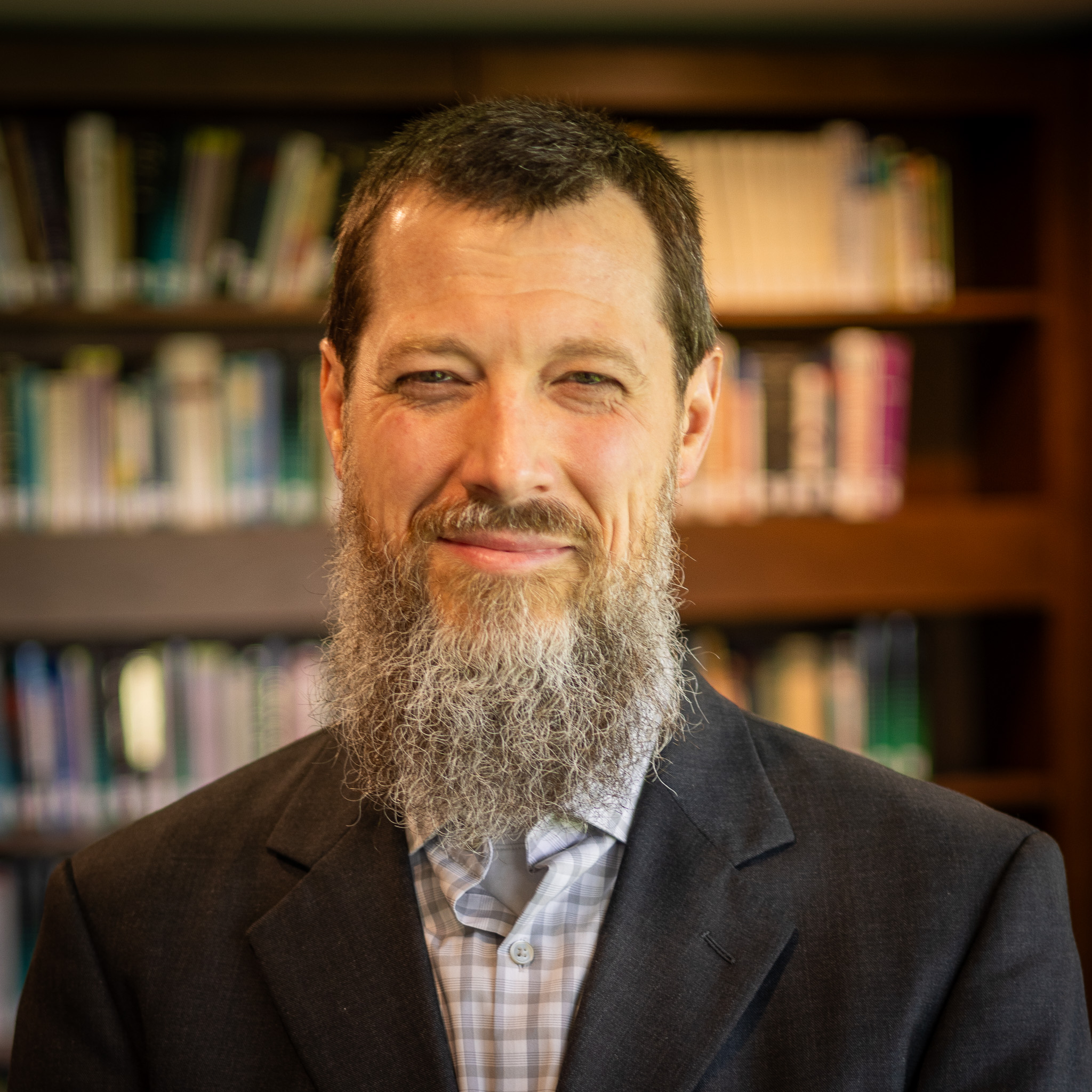
Reagan Marsh is husband to Kara, daddy to RG and AG, and founding pastor-teacher to Reformation Baptist Church of Dalton, GA. He contributed to The Jonathan Edwards Encyclopedia (Eerdmans), provided biographical introduction to J.P. Boyce’s A Brief Catechism of Bible Doctrine (Particular Baptist Heritage Books), coedited in The Works of John Flavel (The Banner of Truth), and writes regularly for The Founders Journal. Reagan authored What to Do After a Breakup: Responding to Pain and Loss Biblically and Authority and Application: An Introduction to Pastoral Biblical Counseling (both with The Greater Heritage), Analytical Outlines of the 1689 Second London Baptist Confession, and Analytical Outlines of Particular Baptist Confessions of Faith (available through Monergism.com), and contributed to Anchored in Truth: Reflections in Biblical Counseling (Soul Doctor Publications). He is coediting The Works of Hercules Collins (forthcoming, H&E), composing a biographical introduction for Hercules Collins’s An Orthodox Catechism (forthcoming, PBHB), and completing Guided Tours in the 1689 Second London Baptist Confession: An Introduction and Survey. A certified biblical counselor, Reagan took MATS and MDiv study at NOBTS and SBTS, and is a ThM candidate at CBTS under Tom Nettles (his thesis, Teaching, Tending, Training: The Pastoral Theology of Hercules Collins, 1646/1647–1702 is forthcoming, Wipf & Stock). He has served in gospel ministry since 1998.