“Therefore the Lord himself will give you a sign. Behold, the virgin shall conceive and bear a son, and shall call his name Immanuel.” (Isaiah 7:14)
Introduction
This pronouncement from the prophet Isaiah is one of the most well-known passages from the Old Testament that looks forward to the miraculous conception and birth of the Lord Jesus Christ from the womb of the virgin Mary. While much attention in this passage is rightly focused upon the conception and birth of this son, just as much attention can and should be given to the significance of his name, Immanuel.
Looking back on the birth of Christ, Matthew’s Gospel states in 1:22-23, “All this took place to fulfill what the Lord had spoken by the prophet: ‘Behold, the virgin shall conceive and bear a son, and they shall call his name Immanuel’ (which means, God with us).” Matthew’s intentional translation of the name Immanuel communicates that a theological concept has come to fruition at the birth of Jesus. This is the concept that God will dwell among His people in perfect fellowship and communion, receiving from them their due worship, service, and obedience.
This theological concept spans from one end of the Bible to the other, and it takes a major step forward at the birth of the Lord Jesus Christ. Thus, to understand the significance of the coming of Immanuel, one must understand the development of this concept.
The Creation and Fall
The concept of God dwelling with His people is laid down in the first chapters of the Bible. In Genesis 1-2, when God created the heavens and earth, He also created man in His own image and placed them in the Garden of Eden. Later scripture reveals that Eden was the temple-like garden of God, the place of God’s dwelling on earth. In other words, God placed man in Eden in order that man might dwell in His presence in perfect communion and that He might receive from man dutiful worship. Man’s creation mandate was then to extend that glory of God’s dwelling place unto ends of the earth (Genesis 1:28).
In Genesis 3, however, man falls from this state of glory and grace by sinning and rebelling against God, and so man is kicked out of Eden and banished from the tree of life. Thus, man is shut away from the presence and dwelling place of God on Earth. However, through the promise of the seed in Genesis 3:15, a theological arc is set in motion that progresses through the Bible to the concluding chapters of Revelation. It is the theological arc of God restoring man back into fellowship and communion with Himself where He would one day dwell in the midst of His people once again.
The Pentateuch
The progression of this theological arc continues in the later books of the Pentateuch. After God delivers the Israelites from the land of Egypt, He gathers them to Himself at Mount Sinai and commands them to build the tabernacle. The tabernacle was to be the tent of God, the place where God caused his presence to dwell. God then commanded that the tabernacle be placed in the middle of the camp of the Israelites, so that He might dwell in the midst of His people.
Exodus 25:8 8 And let them make me a sanctuary, that I may dwell in their midst.
Exodus 29:45-46 45 I will dwell among the people of Israel and will be their God. 46 And they shall know that I am the LORD their God, who brought them out of the land of Egypt that I might dwell among them. I am the LORD their God.
This arrangement, however, was different from that of the Garden of Eden. Prior to the fall, man had access to the presence of God in Eden, yet with the tabernacle, man was still shut away from His immediate presence.
Numbers 18:22 “The sons of Israel shall not come near the tent of meeting again, or they will bear sin and die.” (NASB)
The Israelites were shut away from the immediate presence of God in the Holy of Holies because of their persistent sin and rebellion against Him. God, however, set up the sacrificial system for the purpose of ceremonially cleansing His people in order that He might continue to dwell in their midst.
Leviticus 16:16 “16 Thus he shall make atonement for the Holy Place, because of the uncleannesses of the people of Israel and because of their transgressions, all their sins. And so he shall do for the tent of meeting, which dwells with them in the midst of their uncleannesses.”
Leviticus 26:11 I will make my dwelling among you, and my soul shall not abhor you. 12 And I will walk among you and will be your God, and you shall be my people.
Before the Israelites took possession of the land of Canaan, God also communicated to them that He was going to choose a permanent place in the promised land for His dwelling. In that place, God would dwell in the midst of His people so that there they might give to Him their dutiful worship.
Deuteronomy 12:4-6 4 You shall not worship the LORD your God in that way. 5 But you shall seek the place that the LORD your God will choose out of all your tribes to put his name and make his habitation there. There you shall go, 6 and there you shall bring your burnt offerings and your sacrifices, your tithes and the contribution that you present, your vow offerings, your freewill offerings, and the firstborn of your herd and of your flock.
Deuteronomy 26:2 you shall take some of the first of all the fruit of the ground, which you harvest from your land that the LORD your God is giving you, and you shall put it in a basket, and you shall go to the place that the LORD your God will choose, to make his name to dwell there.
Even with this great blessing of having God dwell in their midst, the Israelites were still shut away from the immediate presence of their God in the Holy of Holies of the tabernacle.
The Historical Books
The progression of this theological arc continues in the Historical Books. From Joshua to Chronicles is the message of God bringing His people into the promised land, setting over them a King, and choosing Mount Zion in Jerusalem to be the permanent place where He would dwell in the midst of His people.
2 Chronicles 6:5-6 5 ‘Since the day that I brought my people out of the land of Egypt, I chose no city out of all the tribes of Israel in which to build a house, that my name might be there, and I chose no man as prince over my people Israel; 6 but I have chosen Jerusalem that my name may be there, and I have chosen David to be over my people Israel.’ (See also Psalm 132:13-14.)
Thus, it was on mount Zion in Jerusalem that Solomon built a temple for the Lord, a permanent structure in place of the tabernacle, so that God would dwell in the midst of His people forever, and His people would give to Him their dutiful worship.
1 Kings 8:10-13 10 And when the priests came out of the Holy Place, a cloud filled the house of the LORD, 11 so that the priests could not stand to minister because of the cloud, for the glory of the LORD filled the house of the LORD. 12 Then Solomon said, “The LORD has said that he would dwell in thick darkness. 13 I have indeed built you an exalted house, a place for you to dwell in forever.” (See also Exodus 40:34-35 where God entered the tabernacle.)
This was the pinnacle of Israelite history. However, even in this time, the people of God still did not have access to the presence of God in the way that Adam and Eve did in the Garden of Eden. Because of their sin and rebellion, they were still shut away from His immediate presence in the Holy of Holies of the temple.
The Prophetic Books
In the Prophetic Books of the Old Testament, the theological arc of God dwelling with His people actually regresses. These books, which overlap with the later portions of the Historical Books, describe the growing sin and rebellion of the Israelites against the God who was dwelling in their midst. In response God, banished them from His presence like He did with Adam and Eve in the Garden of Eden.
Jeremiah 23:39 “Therefore behold, I will surely forget you and cast you away from My presence, along with the city which I gave you and your fathers. (NASB)
Jeremiah 52:3 For because of the anger of the LORD things came to the point in Jerusalem and Judah that he cast them out from his presence.
In 587 BC God sent the Babylonians to not only take the people of Israel away from His presence, but also to destroy Jerusalem and the Temple (Jeremiah 52). Gone was the place where God had caused His name to dwell, the place of His presence. Gone was the place in which God dwelt in the midst of His people.
Even though the regression of this theological arc takes place during the time of the prophets, these same prophets proclaimed the coming of a day in which God would rebuild Jerusalem and the Temple, and choose the city again as the place of His dwelling.
Zechariah 1:16-17 16 Therefore, thus says the LORD, I have returned to Jerusalem with mercy; my house shall be built in it, declares the LORD of hosts, and the measuring line shall be stretched out over Jerusalem. 17 Cry out again, Thus says the LORD of hosts: My cities shall again overflow with prosperity, and the LORD will again comfort Zion and again choose Jerusalem.'”
These same prophets announced a day in which God would once again dwell in the midst of His people, but His people would no longer defile the place of His dwelling through their sin and rebellion against Him.
Ezekiel 37:26-28 26 I will make a covenant of peace with them. It shall be an everlasting covenant with them. And I will set them in their land and multiply them, and will set my sanctuary in their midst forevermore. 27 My dwelling place shall be with them, and I will be their God, and they shall be my people. 28 Then the nations will know that I am the LORD who sanctifies Israel, when my sanctuary is in their midst forevermore.”
Ezekiel 43:7 and he said to me, “Son of man, this is the place of my throne and the place of the soles of my feet, where I will dwell in the midst of the people of Israel forever. And the house of Israel shall no more defile my holy name, neither they, nor their kings, by their whoring and by the dead bodies of their kings at their high places
Even with the hope of these future promises, the people of God still did not have access to the presence of God in the way that Adam and Eve did in the Garden of Eden. Because of their sin, they were still shut away from His immediate presence.
The Gospels
The progression of this theological arc takes its biggest leap forward in the Gospels. The quotation of Isaiah 7:14 and the translation of Immanuel (God with us) in Matthew 1:23 signals that a major shift has taken place with this theological arc. John’s Gospel offers more explanation as to what that shift was. In the first chapter of the Gospel it states the following:
John 1:1 In the beginning was the Word, and the Word was with God, and the Word was God.
John 1:14a And the Word became flesh and dwelt among us.
The Greek verb for “dwelt” that the evangelist uses in verse 14 is not typical for the New Testament. John’s intent with this atypical Greek verb is to call the reader’s attention back to the tabernacle of the Old Testament. With this Greek verb, John is communicating that Jesus is the tabernacle of the Old Testament. In other words, at the birth of Christ, God has come to dwell in the midst of His people once again, only not in a tent or in a building, but rather as a man.
This truth is communicated again in John chapter 2 where Jesus disputed with the Jews at the temple. It is in this chapter, the evangelist reveals that Jesus is the temple.
John 2:19-21 19 Jesus answered them, “Destroy this temple, and in three days I will raise it up.” 20 The Jews then said, “It has taken forty-six years to build this temple, and will you raise it up in three days?” 21 But he was speaking about the temple of his body.
Again, just as God dwelt in the midst of His people in the tabernacle and temple in the Old Testament, God has come to dwell in the midst of His people as a man.
Later, in the crucifixion narrative of Matthew’s Gospel, the evangelist reveals that when Christ died, the veil of the Temple in Jerusalem was torn in two from top to bottom (Matthew 27:50-41). (The veil was what shut away the Israelites from the presence of God in the Holy of Holies in the tabernacle and the temple.) The significance of this event meant that through the death of Christ the way to the presence of God had been opened in a way it had not been since the fall on man. In other words, man is now welcomed to enter into the immediate presence of God.
The Book of Acts and the Epistles
The progression of this theological arc continues in the book of Acts and the Epistles. In the first chapter of Acts, Jesus, the incarnate Word, who had dwelt among His people, entered heaven to sit down at the right hand of God. In the second chapter, however, the Holy Spirit is poured out upon the people of God in order that He, God the Spirit, might dwell not just among His people, but in His people.
The continued presence of the Spirit dwelling in His people is a reality the Apostle Paul addresses in his epistles to the churches at Corinth and Ephesus.
2 Corinthians 6:16 What agreement has the temple of God with idols? For we are the temple of the living God; as God said, “I will make my dwelling among them and walk among them, and I will be their God, and they shall be my people.
Ephesians 2:19-22 19 So then you are no longer strangers and aliens, but you are fellow citizens with the saints and members of the household of God, 20 built on the foundation of the apostles and prophets, Christ Jesus himself being the cornerstone, 21 in whom the whole structure, being joined together, grows into a holy temple in the Lord. 22 In him you also are being built together into a dwelling place for God by the Spirit.
The Spirit of God dwells in and among His people both in their individual lives and in their corporate gathering as the church.
The Revelation
This theological arc culminates in the last chapters of the Bible. In the book of the Revelation, the Apostle John describes the eternal state that will be set up after the second coming of Christ. In that time, God will once again dwell in the midst of His people in the place where He has chosen, Jerusalem.
Revelation 21:1-3 Then I saw a new heaven and a new earth, for the first heaven and the first earth had passed away, and the sea was no more. 2 And I saw the holy city, new Jerusalem, coming down out of heaven from God, prepared as a bride adorned for her husband. 3 And I heard a loud voice from the throne saying, “Behold, the dwelling place of God is with man. He will dwell with them, and they will be his people, and God himself will be with them as their God.
Pictures of the Garden of Eden permeate this portion of Revelation in order that the reader might know that the eternal state is a return to what was lost in Eden. It is a return of the people of God into the immediate presence of God where they will dwell with Him in perfect fellowship and communion giving to Him their dutiful worship.
Conclusion
Immanuel is therefore more than just a name given to the child in Isaiah 7:14. With the coming of Christ, it is the coming to fruition of a theological concept founded in the first pages of the Bible. In the birth of Immanuel, God has come to dwell with His people. Through Immanuel, God is now dwelling in His people. At the return of Immanuel, God will dwell in the midst of His people forevermore. The name Immanuel reminds God’s people how far He has brought them to Himself, and the name Immanuel reminds God’s people where He is taking them for Himself. His name is called Immanuel, God with us.
About the Author
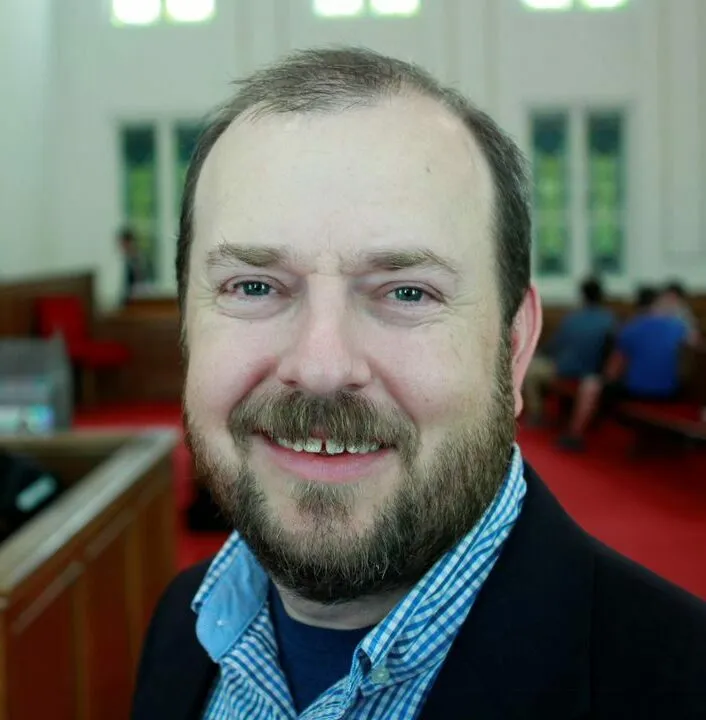
Dr. Josh Wilson is Professor of Biblical Languages for Covenant Baptist Theological Seminary. He lives in Park Hills, MO, with his wife (Sarah, married in 2002) and their eight children (Joshua, Jakob, Timothy, Caleb, Katelynne, Natalie, Luke, and Simon). He enjoys playing board games with his family and, when he has the time, backcountry backpacking on the Ozark Trail. Josh has been serving as the senior pastor of First Baptist Church in Park Hills since 2012 and has been teaching Bible for Missouri Baptist University since 2008. He holds a B.A. in Religious Education and Biblical Languages from Missouri Baptist University as well as an M.Div. in Biblical and Theological Studies from the Southern Baptist Theological Seminary. Through Southern Seminary, he also earned a Ph.D. in Old Testament with an emphasis in Greek, Hebrew, and Hebrew Literature. Josh has spoken at several regional conferences and has written articles for both Answers in Genesis and the Answers Research Journal.
Stay in touch with CBTSeminary
For more information about CBTS, go to CBTSeminary.org
Consider giving to CBTSeminary to help us train the next generation of gospel ministers.
Apply to CBTS today to be sharpened for a lifetime of faithful ministry.
Follow CBTS on our socials: X | Instagram | Facebook | YouTube
Sign up for our newsletter and receive monthly updates related to the Seminary.