Pros and Cons of Online Seminary.
The world of higher education is in a lot of flux right now. Traditional brick-and-mortar schools are having to adapt to changes in technology and consumer demand. Once repositories of knowledge, schools are now wrestling with their place of service in a world where knowledge is ubiquitous and instantly available via a pocket-sized device.
So in a changing landscape like this, what use is a seminary at all? Why can’t I just use Google? Or, to run the other direction, if ministry is inevitably personal and relational, how can seminary education even be done remotely? These are great questions that I would like to briefly address by delineating some blessings and dangers of remote seminary education. Perks and Pitfalls, we might call them.
First, the Perks. A major benefit of remote theological education is the ability for someone to get further education while remaining in his or her place of ministry service. Formal theological education once required physical relocation for several years, often meaning that unless you lived and worked at a church near a seminary, you had to leave your current place of service to get an education. That isn’t the case now. Technology allows pastors, deacons, and other aspiring church leaders the ability to remain in their own local church while pursuing further theological training. Staying in one’s own church also allows for the integration of classroom study immediately into real-life ministry. Plus, students can be mentored by their own pastors, which is a dynamic that traditional seminaries often struggle to provide, simply because of the sheer number of students. Staying in one’s own church can have real benefits.
Second, and very much related, is the blessing that remote theological education provides for both missionaries on the field and for international students. These students are able to receive a quality education without having to leave the mission field or having to travel great distances. Remote education opens the door for many students for whom formal theological education would otherwise be practically impossible.
Third, remote theological education is usually accompanied by efficiencies that traditional brick-and-mortar schools struggle to provide in the same way. Or, to put it simply, remote seminaries can be more financially feasible for more students because of the reduction in operational costs. CBTS doesn’t have a massive campus with student housing, library buildings, or cafeterias, and that enables tuition to remain drastically lower than traditional higher education options. Lower tuition and fees mean that more people are able to consider theological education, and are able to consider it with less dependence upon student loan debt.
But lest we think that distance education is the solution for everyone, we would be wise to investigate the drawbacks of remote learning. Remote learning isn’t for everyone, and shouldn’t be undertaken without the proper consideration and counsel.
A first potential pitfall of remote theological education is the danger of isolation. Self-paced coursework can be a real blessing for those who need it, but it can also be a real struggle, especially for highly relational students. Without regular interaction and encouragement, some students can feel alone in their studies. That’s why at CBTS, we encourage students to take as many live remote classes as possible during their studies with us. Further, all of our pastoral-track degrees require regular meetings between the student and their pastoral mentor. These options, combined with additional fellowship opportunities (e.g., online groups, social media interactions, annual Covenant Conference meet-ups), can help students battle against loneliness during their remote education.
Second, a related danger of remote education is filling one’s head without watching one’s heart. Students can be puffed up with head knowledge while neglecting the care of their own souls. While that danger is not unique to remote theological education, the danger is certainly compounded by the opportunity for isolation. Thus again, CBTS makes a priority the local church and a student’s own pastoral relationships. Further, CBTS students meet twice a year with the Dean of Students, Rex Semrad, for academic guidance and encouragement. CBTS works hard to provide opportunities for growth in personal piety that accompanies growth in doctrinal knowledge.
Third, a final pitfall that can surround remote education is the flip side of one of the benefits: flexibility. The same flexibility that often draws students to remote, asynchronous learning can also serve as a real stumbling block for some students. On-demand coursework, flexible deadlines, low-cost tuition, and other real blessings can easily turn into a trap if the student is not disciplined. Students should know themselves and their weaknesses and put in place measures to ensure that they won’t get too far behind. We all need accountability to help us perform at our best, and seminarians are no different. That’s why regular meetings with local church mentors and with the Dean of Students at CBTS can be so helpful. We each need encouragement to run our race well, and CBTS students can do that if they are wise and make a plan.
In sum, remote theological education is a blessing afforded by technology that previous generations could only dream about. But, just like any technological innovation, it must be stewarded wisely. It can be a real blessing, but it also has real pitfalls if one is not careful. If you would like to learn more about the blessings afforded by remote theological education at CBTS, or if you are struggling with any of these pitfalls yourself, please feel free to reach out to the staff at CBTS. We’d love to share with you and see if CBTS might be a good fit for your theological training.
God Bless!
Jon English Lee
CBTS Academic Dean
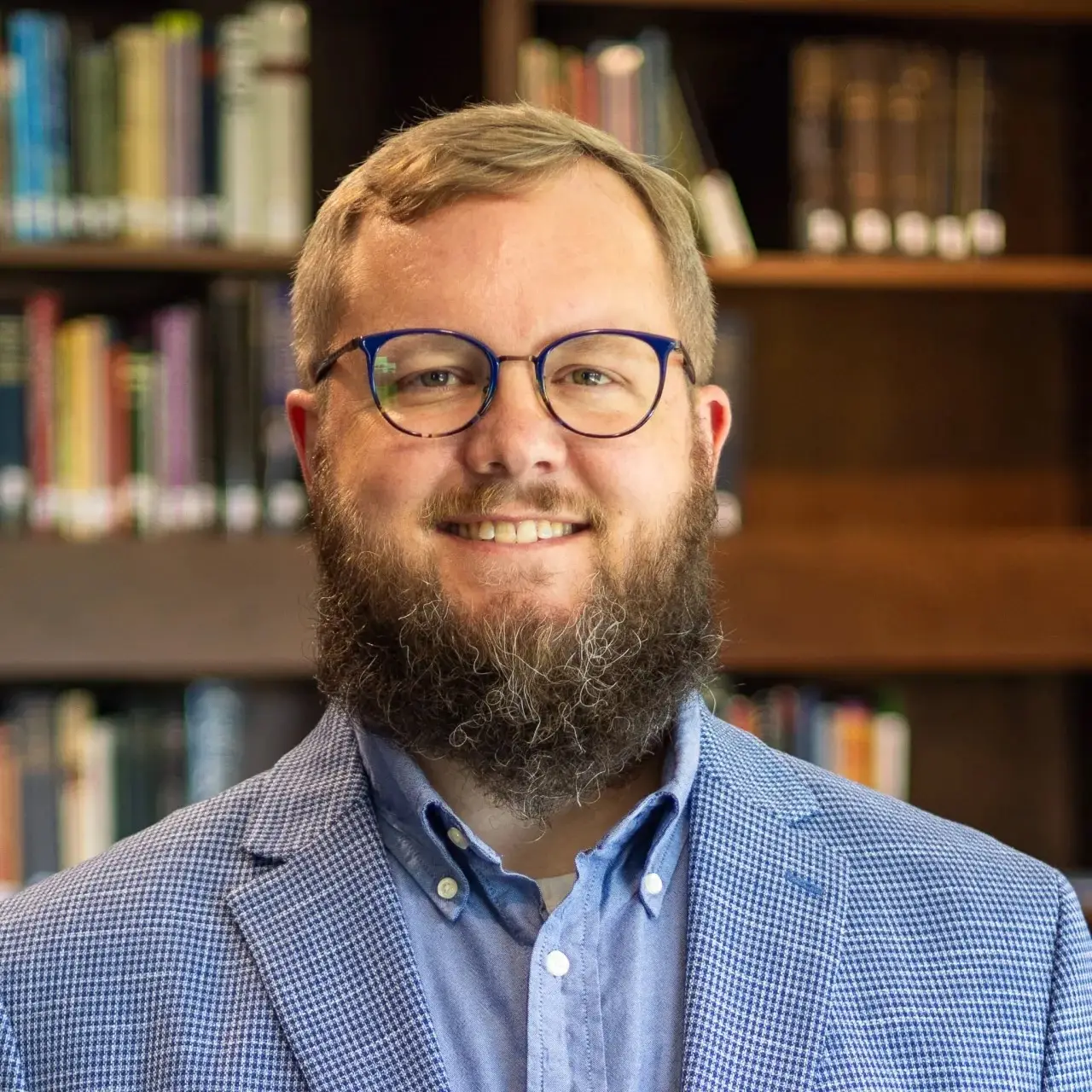
Jon English serves as Academic Dean and Professor of Systematic and Historical Theology at Covenant Baptist Theological Seminary. Previously he served as Pastor of Discipleship for Morningview Baptist Church in Montgomery, Alabama. He has earned a Bachelor’s degree from Auburn University Montgomery, a Masters of Divinity from The Southern Baptist Theological Seminary, and a PhD in Systematic and Historical Theology from SBTS. Jon English is a member of the Evangelical Theological Society and an Ecclesial fellow for the Center for Pastor Theologians.
Course taught at CBTS: The Decalogue & the Sabbath in Redemptive History